
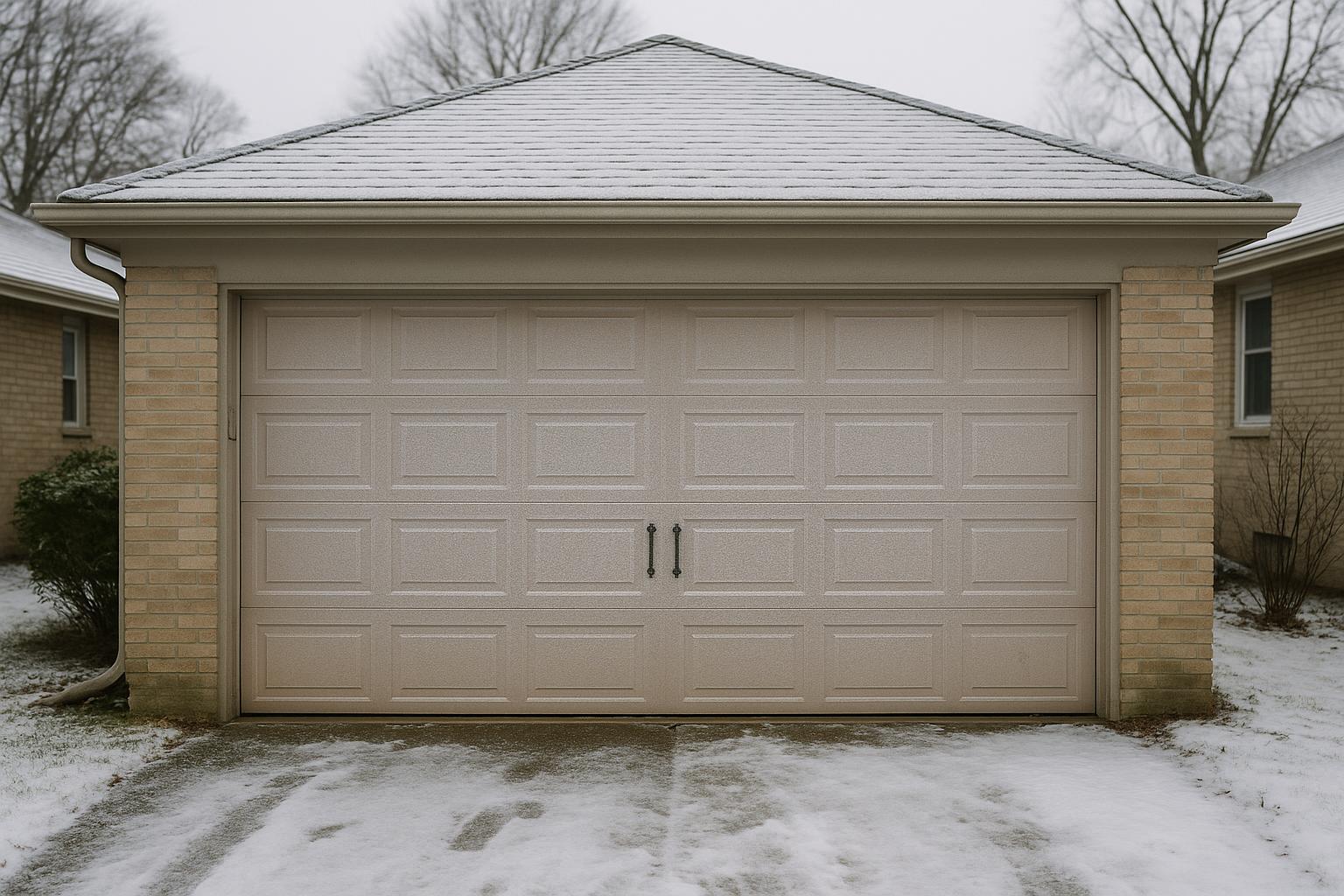
Winter Is Tough on Garage Doors in Oak Park
If you've lived in Oak Park for even one winter, you know how brutal the cold can get. Temperatures plunge well below freezing, wind chills make it feel even worse, and snow and ice seem to find their way into every crack and crevice. What many homeowners don't realize is that their garage door takes a serious beating during these months.
Your garage door is the largest moving part of your home, and it's directly exposed to the elements. When temperatures drop, the mechanical components that keep it running smoothly can stiffen, contract, and even fail. Understanding how cold weather affects your garage door — and knowing what to do about it — can save you from an unexpected breakdown on the coldest morning of the year.
Metal Contracts in the Cold
This is basic physics, but it has real consequences for your garage door. The metal springs, tracks, hinges, and hardware that make up your door system all contract slightly when temperatures drop. While the change is small, it's enough to cause problems.
- Springs lose flexibility: Torsion and extension springs are under constant tension. When metal contracts in freezing weather, springs become more brittle and are more likely to snap. In fact, garage door spring failures spike during winter months across the Chicago area.
- Tracks can shift: Metal tracks may contract unevenly, causing the door to bind, stick, or move off-track. You might notice the door wobbling or making scraping noises it didn't make in warmer weather.
- Hardware stiffens: Hinges, rollers, and brackets can all become harder to move, putting extra strain on your garage door opener.
Your Garage Door Opener Works Harder
When all of that hardware stiffens up, your garage door opener has to compensate. The motor works harder to lift and lower the door, which can lead to several issues:
- Slower operation: You may notice the door opening or closing more slowly than usual.
- Increased wear on the motor: Over time, the extra strain can shorten the lifespan of your opener.
- Tripped safety sensors: If the door meets too much resistance, the opener's safety mechanism may prevent it from closing completely. Many homeowners in Oak Park mistake this for a sensor alignment issue when the real culprit is cold-related friction.
If your opener is already aging, winter can be the season that pushes it past its limits. Having it inspected before the worst of the cold arrives is always a smart move.
Weatherstripping Cracks and Fails
The rubber weatherstripping along the bottom and sides of your garage door is designed to seal out drafts, moisture, and pests. But rubber becomes stiff and brittle in freezing temperatures. Over time, it cracks, shrinks, and loses its ability to form a tight seal.
When weatherstripping fails, you'll notice:
- Cold drafts blowing into the garage
- Snow and water seeping under the door
- Higher energy bills if your garage is attached to your home
- Mice and other pests finding their way inside
Replacing worn weatherstripping is one of the most affordable and effective winter upgrades you can make. It's a quick fix that pays for itself in comfort and energy savings.
The Garage Door Can Freeze to the Ground
This is one of the most common winter garage door problems we see in Oak Park and surrounding communities like River Forest, Berwyn, and Forest Park. When snow melts during the day and refreezes overnight, water can accumulate along the bottom edge of the door and freeze it to the concrete floor.
If you try to open the door while it's frozen shut, you risk damaging the weatherstripping, straining the opener motor, or even bending the bottom panel. Here's what to do instead:
- Don't force it. If the door won't budge, stop pressing the opener button immediately.
- Apply heat carefully. Use a heat gun or hair dryer along the bottom edge to melt the ice. Never use boiling water — it can refreeze quickly and make the problem worse.
- Break the seal gently. Once the ice starts to melt, you can try to carefully pry the door free with a flat shovel or putty knife.
- Prevent it from happening again. Apply a silicone-based lubricant or de-icer along the bottom seal to prevent future freezing.
Lubrication Thickens and Stops Working
The lubricant on your springs, rollers, and hinges can thicken or become gummy in cold weather, especially if a standard grease was used instead of a cold-rated product. When lubrication fails, you'll hear more noise — squeaking, grinding, and popping sounds are all common complaints during winter.
We recommend using a silicone-based or lithium-based lubricant that's rated for low temperatures. A quick application to all moving parts before winter sets in can make a noticeable difference in how smoothly and quietly your door operates.
What You Can Do to Prepare
The good news is that most cold-weather garage door problems are preventable with a little preparation. Here's a winter readiness checklist for Oak Park homeowners:
- Schedule a maintenance inspection. A professional tune-up before winter catches small problems before they become expensive repairs.
- Lubricate all moving parts with a cold-weather-rated product.
- Inspect and replace weatherstripping if it's cracked, brittle, or no longer sealing properly.
- Test your opener's safety features to make sure everything is functioning correctly.
- Clear snow and ice from around the base of the door regularly.
- Check the door's balance. Disconnect the opener and lift the door manually to the halfway point. If it doesn't stay in place, the springs may need adjustment.
When to Call a Professional
Some winter garage door issues are safe to handle on your own — replacing weatherstripping, applying lubricant, and clearing ice are all reasonable DIY tasks. But other problems require professional attention:
- Broken springs: Never attempt to replace or adjust garage door springs yourself. They're under extreme tension and can cause serious injury.
- Off-track doors: If your door has come off its tracks, forcing it can cause further damage.
- Opener malfunctions: Electrical and motor issues should be diagnosed by a trained technician.
- Damaged panels: Cracked or warped panels compromise your door's insulation and security.
At Oak Park Garage Door Pro, we handle all of these issues and more for homeowners across Oak Park, Elmwood Park, Cicero, and the surrounding area. Whether you need an emergency repair on a frozen morning or want to schedule preventive maintenance before the next cold snap, we're here to help.
Don't Wait for the First Freeze
Winter garage door problems almost always get worse if you ignore them. A stiff spring today can be a broken spring next week. A small gap in your weatherstripping can turn into a flooded garage floor after the next thaw. Taking action now — before the worst of the cold hits — is the easiest and most cost-effective way to keep your garage door reliable all season long.
If your garage door is already showing signs of winter wear, or if you just want peace of mind heading into the colder months, give us a call. We'll make sure your door is ready for whatever a Chicago-area winter throws at it.